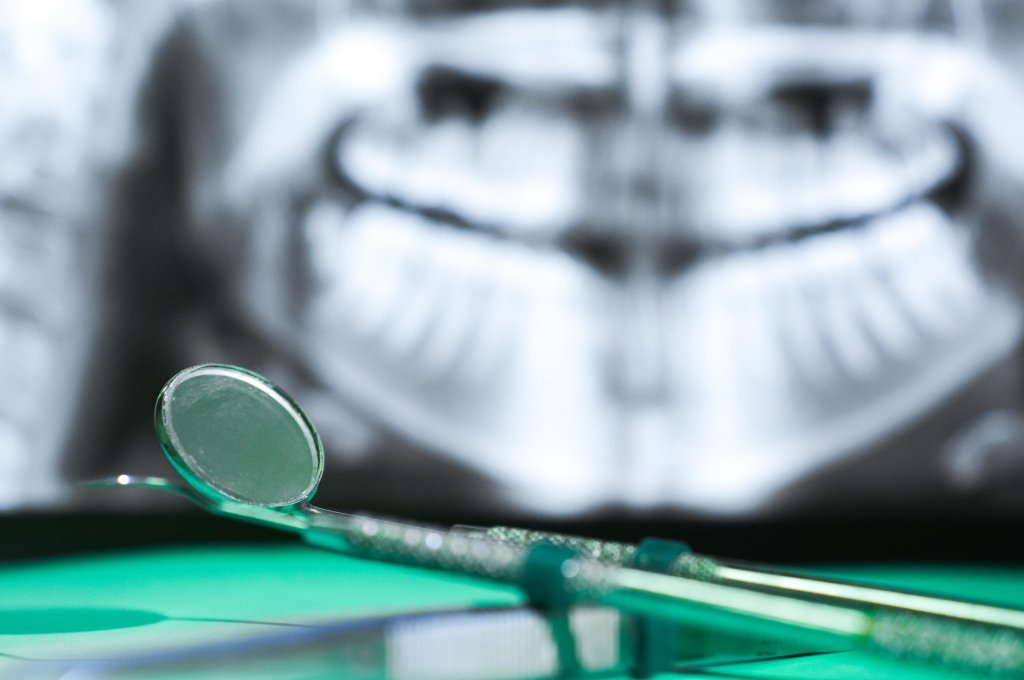
In many cases, a root canal dentist can save an infected tooth by removing the infected pulp, avoiding the need for an extraction.
Rated 4.9 on Google
★★★★★Rated 5 out of 5
Root Canal Bursledon
If a tooth is injured or decayed, the dental pulp can become infected, and the nerve within the pulp can die. This commonly happens as a result of poor dental hygiene, accidental trauma to the tooth, or having a large filling on a tooth for a long time.
Fortunately, endodontic treatment can often save teeth by removing the damaged tissue and filling and sealing the tooth, preserving the structure and your smile.
At Smilemakers, our root canal dentist in Southampton can perform your root-filling treatment using the Zeiss Extaro 300, a world-leading dental operating microscope.
This incredible technology provides exceptionally high levels of visibility and accuracy, delivering improved outcomes for root canal treatment.
To find out whether you need root canal therapy, and what your treatment options are, book an appointment at Smilemakers for an assessment.
Endodontics Southampton: How does a root canal work?
Root canal treatment is an endodontic procedure where the pulp in the centre of a tooth is cleaned out and replaced with filling material. If a root canal isn’t viable to save the tooth, the usual alternative is to extract the tooth.
Why might I need a root canal procedure?
You may need root canal treatment if the tissue inside your tooth is infected, inflamed, or damaged. Without treatment, this can cause further dental issues and unresolved pain, and could even result in you losing the tooth.
There are many possible causes of root canal infections, which include:
Deep decay – Severe cavities allow bacteria to reach the inner pulp.
Dental trauma – Damage to the tooth can also damage the nerves.
Broken teeth – Cracked or chipped teeth can expose the pulp.
Repeat procedures – Extensive work on a tooth can irritate the pulp.
Gum disease – Periodontitis can spread bacteria from gums to teeth.
Dental abscesses – Pus can build up in the gums or tooth root.
Even if there are obvious signs of infection or damage to your tooth, a dentist must examine your mouth to diagnose the need for root canal therapy.
Root canal treatment should not be a painful, dreaded experience that many people fear. It is a pain-relieving, tooth-saving treatment that is usually a viable alternative to extraction, thanks to advances in technique and technology.
If you have to undergo a root canal at Smilemakers, the process is as follows:
Numbing – A local anaesthetic is applied to make you more comfortable.
Isolation – A rubber dam is placed around the tooth to keep the area dry.
Access – To reach the pulp, a small opening is drilled through the crown.
Cleaning – Dead or infected tissue is removed and the canals are cleaned.
Shaping – The disinfected empty canals are then shaped with tiny files.
Filling – The canals are filled with a biocompatible material and sealed.
Restoration – A permanent filling or crown is often added for protection.
We aim to complete root canal treatment within 2 appointments, including the first assessment, and our friendly team will do our best to help you feel at ease.
A Smilemakers dentist will usually be able to perform the root canal treatment, but sometimes a referral to an endodontic specialist may be required.
Frequently Asked Questions About Root Canal Treatment
Endodontics is a specialised type of dentistry that focuses on the treatment of dental pulp and the tissues around tooth roots.
The pulp is the soft centre of the tooth that contains nerves and blood vessels, and damage to the tooth can allow bacteria to get inside and infect this tissue. When this happens, the purpose of endodontic treatment is to remove infected or inflamed dental pulp to preserve the natural tooth, relieve pain, and prevent further issues.
The most common type of endodontic treatment is a root canal, during which the pulp is accessed through a small hole to be cleaned and disinfected, or removed if it can’t be saved. The space in the canal is then filled, and the tooth is sealed to restore and enhance the function of your smile.
Endodontic treatment may also be necessary after a traumatic injury to the mouth, such as loose, chipped, or knocked-out teeth. In such a case, you should call to request an emergency dentist appointment so the tooth can be treated as soon as possible.
Here at Smilemakers, we use the latest technology, including dental microscopes, for high-performing insights to alleviate your symptoms and restore a healthy smile.
You should book an appointment with your dentist for a root canal consultation if you think the soft tissue inside your tooth is inflamed or infected.
Common symptoms and signs that you need a root canal include:
Constant toothache – A persistent throbbing pain that doesn’t go away, even after taking painkillers.
Temperature sensitivity – Eating or drinking hot or cold things causes lingering discomfort.
Pain when eating – Biting, chewing, or applying pressure causes a sore and tender feeling.
Swollen gums – Puffy, tender, or bumpy gums around the tooth can be a sign of infection.
Tooth discolouration – A damaged tooth can turn grey, black, or dark if the nerve inside it dies.
Cracked or chipped enamel – Cracks and chips can allow bacteria to get inside the tooth pulp.
When you visit the dentist, a cold or electric stimulus may be used to test whether the tooth nerve is alive or dying, and a dental X-ray may be needed to identify bone loss from an infection. After diagnosing the problem, we can assign a treatment plan, such as a root canal or an extraction.
Please note that sometimes a tooth can decay and the nerve inside can die without the patient experiencing any symptoms at all. This is why it’s so important to come to the dentist for regular check-ups, so dental problems can be found and treated before they get worse.
The main outcome of root canal treatment is that it provides essential care in the event of trauma, pain, infection, or swelling, which can be extremely difficult to live with.
The many benefits of getting a root canal to treat an infected or damaged tooth include:
Preserving the tooth – Keeping your natural tooth maintains your bite alignment, so you can eat, talk, and smile as usual.
Relieving pain – An inflamed or infected tooth nerve can cause severe toothache, temperature sensitivity, and discomfort.
Protecting other teeth – Tooth infections can spread to other teeth, the surrounding gum tissue, and the jawbone below.
Reducing treatment needs – A root canal is more cost-effective than removing a tooth and paying to replace a missing tooth.
After receiving root canal therapy, you can enjoy enhanced oral hygiene and smile, bite, and chew with ease again.
The cost of a root canal in Bursledon depends on the condition of the tooth and the extent of the work required to preserve it.
Root canal treatment provides necessary relief in the event of infection, sensitivity, swelling, or severe pain, so it is worth the price for most patients. Plus, the cost of saving a tooth with root canal treatment is usually less than the cost of extracting the tooth and replacing it with a bridge or implant.
Here at Smilemakers, we strive for transparency and trust, which is why the starting costs of our procedures are available to see on our fees page. In addition to ensuring clarity with our rates, we also offer payment plans to ensure accessibility and flexibility for all of our patients.
If your tooth requires a more complicated procedure or we need to refer you to a root canal specialist, this can result in a higher price for treatment.
Additionally, due to the invasive nature of root canal treatment, your dentist will often recommend crowning the tooth afterwards to protect the root canal and the remaining tooth structure, so the cost of this may need to be factored into your treatment plan.
For more information on pricing for endodontist treatment in Southampton, you can also contact our practice and arrange a consultation for a personalised quote.
Not all general dentists perform root canals, though most dentists are qualified and have the necessary training to carry out routine root canal procedures. For example, front teeth and premolars have single or double roots with fewer canals, so treating them is more straightforward.
Sometimes, an expert with additional endodontic training may be required. Typically, only complex cases are referred to a dental specialist for root canal treatment.
Following a consultation with your general dentist at Smilemakers, we may refer you to a specialist for:
Complicated tooth anatomy (e.g., back molars with three or four roots and narrow canals that are curved and hard to access)
Root canal retreatment (when a previous root canal has failed or become infected again after further damage)
We will always explain exactly what you can expect from the process and why the treatment is necessary, and endeavour to complete your treatment as soon as possible.
A root canal is often the final option before extracting an infected tooth as a last resort, depending on the extent of the damage to the tooth.
• In some cases, you may not need a full root canal if the issue is caught early enough. A pulpotomy in Southampton can remove only the inflamed part of the pulp and leave the healthy root intact, while pulp capping in Southampton can place a medicated protective layer over exposed pulp that encourages the tooth to heal.
• If you need tooth abscess treatment in Southampton, a dentist can drain and clean the area. You shouldn’t need a root canal unless the infection has spread to the pulp.
• If you need dead tooth treatment in Southampton, a root canal may be necessary to save the tooth if the dead pulp can be removed.
However, if the tooth decay is too severe, the dentist may need to completely remove the tooth. After a root canal, a discoloured dead tooth can be aesthetically improved with cosmetic dentistry, while missing teeth can be replaced with bridges, partial dentures, or dental implants.
• If the tooth is cracked, split, decayed, or infected past the point of saving, then you won’t be eligible for root canal treatment.
Instead, you will need a tooth extraction. Southampton dental clinics like Smilemakers may recommend pulling out the damaged tooth under local anaesthetic, which can prevent infection and help to preserve the surrounding teeth and the supporting bone and gum tissue.
Contact Smilemakers, your expert dentists
We’re open Monday-Friday, and Saturdays by appointment only
We use cookies to ensure that we give you the best experience on our website. If you continue to use this site we will assume that you are happy with it.